
Rustproofing in Québec: Types, Cost and Which One to Choose
October 26, 2026 · 7 min read
Oil spray, dripless or undercoating? Compare rustproofing types, their cost and the right time to protect your car from Québec road salt.
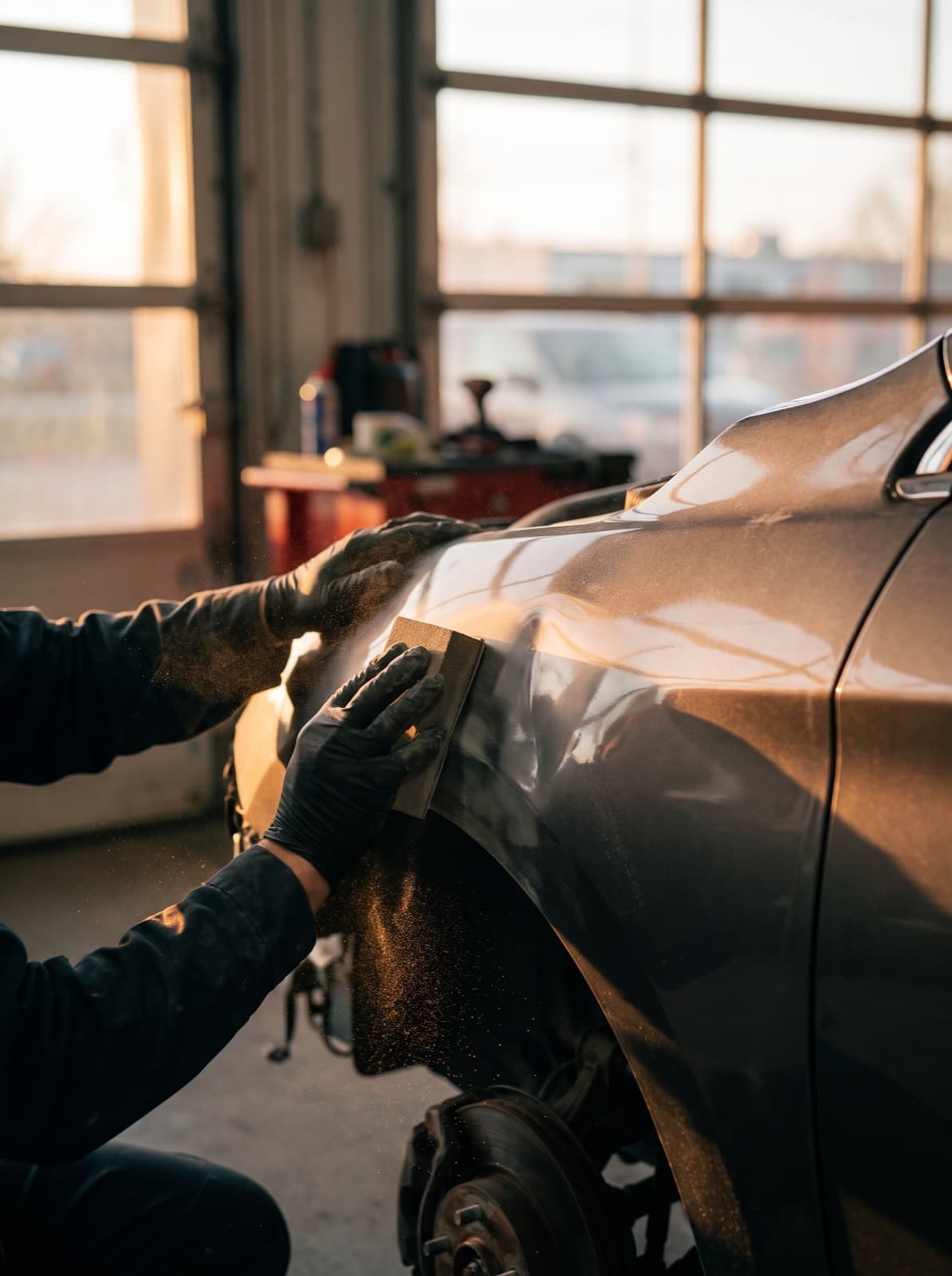
De-icing salt, slush, freeze and thaw: a Québec winter is one of the most corrosive environments a car can face. Rustproofing won't make your vehicle invincible, but it clearly slows corrosion where it does the most damage — under the body, along the bottom of the doors and around the fenders. Here's a jargon-free look at what rustproofing does, what rust costs when you let it spread, and how to choose between the three main types of treatment.
How does rust attack your car?
Rust is steel oxidizing on contact with water and oxygen — and the salt spread on our roads speeds the reaction up dramatically. It often starts with a tiny paint chip from a stone: the metal is bare, salty water seeps in, and corrosion then spreads under the paint, out of sight. The most exposed areas:
- the underbody and frame;
- the bottom of the doors and the rocker panels;
- the fender edges and wheel wells;
- the brake and fuel lines;
- welded seams and cavities where water collects.
A heated garage doesn't always help: according to CAA-Québec, heat speeds up corrosion when the car is covered in salt and moisture. Use mild winter days to rinse the underside of the vehicle and the fender edges.
What are the consequences of rust?
Rust isn't just about looks. Once it sets in, it spreads year after year, and every season makes it more expensive to fix.
- Safety: corroded brake or fuel lines can leak or fail, and a weakened frame or suspension mounting points affect how the car handles.
- Costly repairs: a small rust bubble is easy to treat; a hole means cutting out and replacing metal, a far more expensive body job.
- Resale value: visible rust drags down the resale price and scares off buyers, who see a poorly maintained vehicle.
- Compliance: advanced corrosion of structural parts can make a vehicle non-compliant during a mechanical inspection.
What does a rustproofing treatment do?
Rustproofing creates a barrier between the metal and salty water. Depending on the product, it repels moisture, seeps into seams and cavities, or covers the underside of the vehicle with a protective layer. It doesn't repair existing rust, but it slows it down and protects the areas that are still sound. The longer you plan to keep your car, the better the investment.
The 3 types of rustproofing: which one should you choose?
Garages offer three main families of treatment — the same three options you'll find on the UnyCars request form. They aren't mutually exclusive: many owners combine undercoating beneath the body with a yearly oil spray for the cavities.
1. Oil spray rustproofing
The classic treatment, redone every year. A thin oil is sprayed under the vehicle and injected into the doors, rocker panels and other cavities through small access holes. Its big strength: it creeps everywhere, right into the seams and folds where rust begins. Its drawback: it drips for a few days after application and wears off over the winter.
- Best for: most vehicles, new or used, including those that already show surface rust.
- Lasts: about one year.
- Typical cost: $100 to $175 per year, according to CAA-Québec.
2. Dripless rustproofing
A thicker, semi-solid formula that clings to the metal without dripping onto your driveway or garage floor. It holds up well on exposed surfaces, but creeps into tight spots a little less easily than a thin oil.
- Best for: people who park in a garage or on a clean driveway and want to avoid oil stains.
- Lasts: usually one year, sometimes longer depending on the product — ask the garage.
- Typical cost: $150 to $300, according to CAA-Québec.
3. Undercoating
A thick coating, often rubber-, wax- or bitumen-based, applied to the underbody, wheel wells and frame. It forms a durable shield against salt and stones, and reduces road noise along the way. On the other hand, it doesn't reach into cavities, and a cracked coating — or one applied over a poorly prepared surface — can trap moisture against the metal: it must go on clean, sound metal and be inspected regularly.
- Best for: long-lasting protection for the underside of a new vehicle or one in good condition.
- Lasts: several years, with touch-ups as needed.
- Typical cost: long-lasting treatments generally run $350 to $750 according to CAA-Québec; the price depends on the product and the size of the vehicle.
| Criterion | Oil spray | Dripless | Undercoating |
|---|---|---|---|
| Reaches cavities | Excellent | Good | Poor (surfaces only) |
| Dripping | Yes, for a few days | No | No |
| Frequency | Every year | Every year, depending on the product | Several years |
| Typical cost | $100 to $175 per year | $150 to $300 | $350 to $750 |
| Who it's for | Most vehicles | Anyone who wants a clean driveway | New vehicles or ones in good condition |
When should you get rustproofing done?
The ideal window runs from August to October, before salt returns to the roads. The treatment must be applied to a clean, dry vehicle: rain, snow or water hurt the product's adhesion.
Reading this in late fall or mid-winter? It's not too late: a late treatment beats a whole winter without protection. Just ask the garage how it washes and dries the vehicle before applying the product.
The earlier in the vehicle's life, the better. A new car isn't immune to stone chips, and protecting sound metal is far more effective than slowing rust that has already set in.
Rustproofing: frequently asked questions
Does rustproofing void the manufacturer's warranty?
No, not automatically. A properly applied treatment doesn't void the anticorrosion warranty by itself: the manufacturer has to show that the product or its application caused the damage — clogged drain holes, for example. Choose a garage that knows your type of vehicle and keep your invoices.
Is it worth it on a new car?
Yes — it's actually the best time: the metal is still sound and the treatment protects it before rust sets in. The manufacturer's anticorrosion warranty generally covers perforation, not the surface rust that attacks components under the body. If you lease the vehicle and return it in two or three years, though, the benefit is smaller.
My car already has rust. Is it too late?
No. An oil spray slows the spread of surface rust and protects the areas that are still sound. It won't fix a rust bubble or a hole, though: if rust has eaten through the metal, a body repair comes first.
Will oil spray rustproofing stain my driveway?
Thin oil can drip for a few days after the treatment, especially in mild weather. Park outside or over a piece of cardboard during that time, or go for the dripless formula.
Does electronic rustproofing work?
Electronic modules claim to protect the metal with a weak electric current. According to CAA-Québec, the available evidence doesn't show that they effectively replace a traditional treatment. A product applied to the metal remains the safe bet.
Can you rustproof an electric or hybrid car?
Yes. Ask for a product suited to electric vehicles (dielectric-certified) and a garage that stays clear of high-voltage cables and sensitive connectors.
How do I find a garage for rustproofing?
On UnyCars, choose “Rustproofing”, specify the type of treatment you want and describe your vehicle. Partner garages in your area send you their offers; you compare and choose. Your contact details are only shared with the garage you pick.
Protect your vehicle before the salt gets to it
The right rustproofing depends on your vehicle, its condition and how you use it. Instead of calling shops one by one, describe your need on UnyCars in two minutes: garages in your area send you their offers and availability, and you choose the one that suits you. No unsolicited calls: only the garage you choose receives your contact details.