
Getting Your Car Ready for Winter: 7 Checks Before the Snow
October 26, 2026 · 7 min read
Tires, battery, washer fluid, wipers, rustproofing, brakes and emergency kit: the complete checklist to get your car ready for a Québec winter.
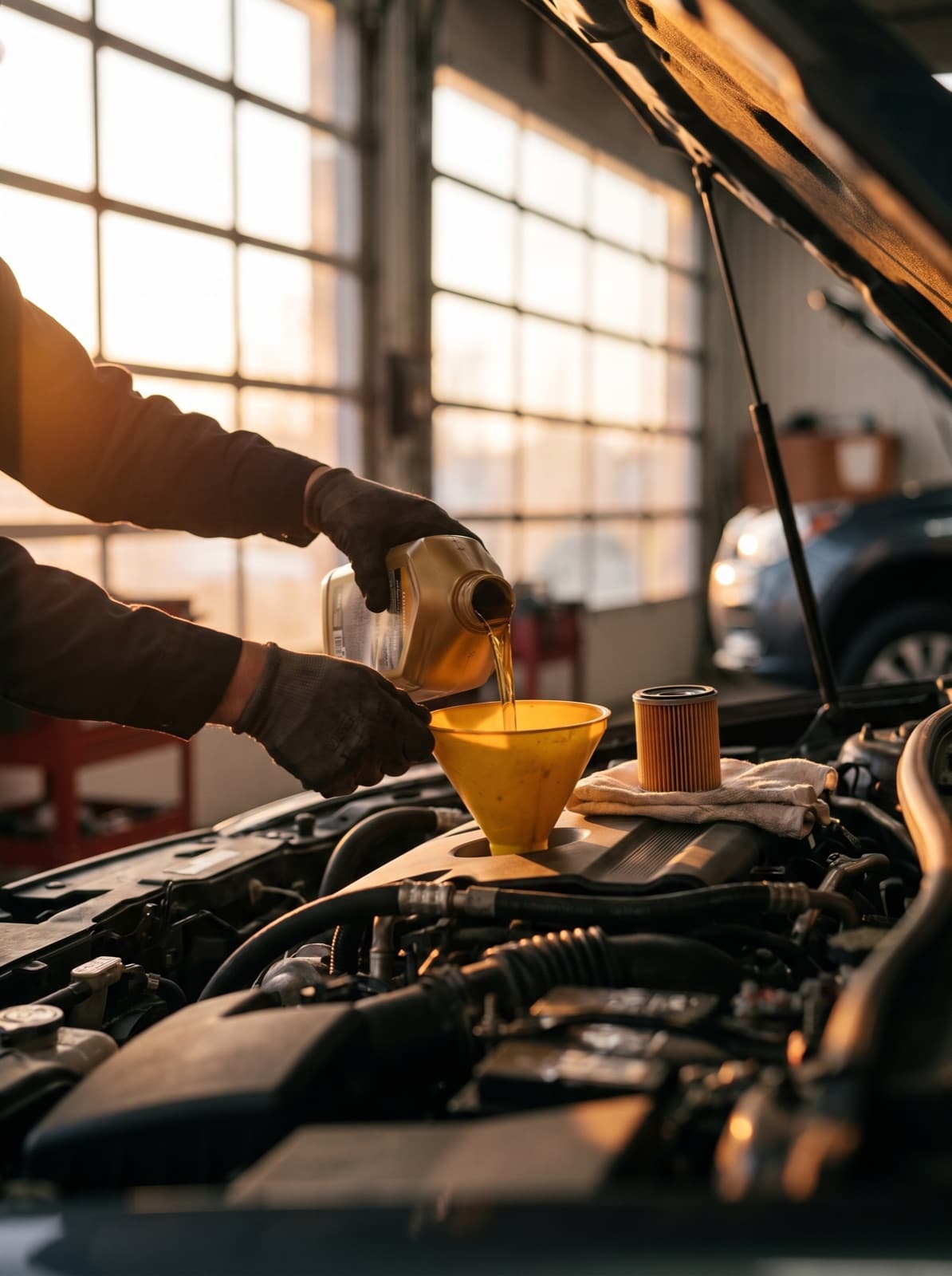
Every fall it's the same story: the first snowfall arrives earlier than expected, and garages get swamped. A winter-ready car starts in the deep cold, brakes on icy roads and keeps you safe if you get stuck. Here are the 7 things to check before the first snow — the ones you can do yourself, and the ones best left to a garage.
The right time: as soon as temperatures drop below 7 °C, usually by mid-October. Book early — by late November, the wait for tire installation and maintenance gets longer everywhere.
The 7 checks before the first snow
1. Winter tires
They're mandatory in Québec from December 1 to March 15 and must carry the mountain-and-snowflake pictogram. Check the wear before installation: the Québec government recommends at least 4.8 mm (6/32 in) of tread for real grip on snow, well above the 1.6 mm legal minimum.
- Who handles it: the garage — mounting, balancing and pressure require specialized equipment.
- Check yourself: the age and wear of your tires before the appointment.
2. The battery
In the deep cold, a battery delivers less power just as the engine needs more to start. A worn battery can seem fine in October and quit on the first −20 °C morning. Past 4 years, have it tested every fall: the test is quick and saves you a breakdown at the worst possible time.
- Who handles it: the garage, which measures the battery's real capacity and the charging system.
- Warning signs: slower starts, dimmer headlights, battery warning light.
3. −40 °C washer fluid
Replace summer fluid with a winter washer fluid rated for low temperatures. Summer fluid freezes in the reservoir and can crack the lines, right when salty slush makes visibility critical. Keep a spare jug in the trunk.
- Who handles it: you — run out as much summer fluid as you can, then fill up with a −40 °C product.
4. Wiper blades
Blades generally wear out in 6 to 12 months. Streaking or skipping? Replace them before the first snow. Winter blades, sturdier against ice, are a good option. And never force wipers that are frozen to the windshield: you'll damage the rubber and the wiper motor.
- Who handles it: you — blades swap in a few minutes, no tools needed.
5. Rustproofing
De-icing salt eats away at the frame, rocker panels and brake lines. A rustproofing treatment done before the salt goes down — ideally August to October — protects the areas you never see. There's still time as long as the vehicle can be washed and dried before application.
- Who handles it: the garage, with the vehicle lifted and clean.
- Three options: oil spray (yearly), dripless or undercoating.
6. Brakes
On snow and ice, braking distances get much longer: there's no margin for tired brakes. Squealing, a soft pedal or vibration? Have the pads, rotors and calipers inspected before the freeze — salt also speeds up corrosion of brake parts.
- Who handles it: the garage — the inspection is often done during the tire changeover, with the wheels already off.
7. Emergency kit
A shovel and scraper to dig yourself out, booster cables if the battery dies, a blanket and a phone charger if you get stuck. Add a flashlight, traction mats, gloves, spare washer fluid and a few snacks. It stays in the trunk all winter.
- Who handles it: you — 15 minutes is enough to put it together, once a year.
| Check | Who handles it | When |
|---|---|---|
| Winter tires | The garage | Mid-October to mid-November |
| Battery | The garage (test) | Every fall after 4 years |
| −40 °C washer fluid | You | Before the first frost |
| Wiper blades | You | Every 6 to 12 months |
| Rustproofing | The garage | August to October |
| Brakes | The garage | Before the freeze, with the tire changeover |
| Emergency kit | You | Before the first snow |
What a garage checks during a winter check-up
Beyond the 7 points above, a garage winter check-up reviews the parts people forget and that fail in the deep cold. Every garage builds its own package, but it usually includes:
- Coolant (antifreeze): its concentration sets the temperature at which it freezes.
- Engine oil: a synthetic oil flows better on cold starts.
- Heating, defroster and ventilation: essential for keeping the windshield clear.
- Headlights and lights: days are short, and road grime dulls them quickly.
- The block heater: a faulty cord or element tends to show up at the worst moment.
- Belts and hoses, which harden and crack in the cold.
Plug in the block heater about three hours before you leave, as CAA-Québec recommends — no need to leave it plugged in all night. A timer does the job and saves electricity.
First-snow day: the right reflexes
- Clear the vehicle completely, roof and lights included, before hitting the road.
- If the engine won't start, wait 30 seconds between attempts and stop after four tries (CAA-Québec).
- Leave more distance to the vehicle ahead: even with good tires, you brake far less well on snow.
- Avoid repeated very short trips, which drain the battery without giving it time to recharge.
Winter preparation: frequently asked questions
When should you get your car ready for winter?
Ideally between mid-October and mid-November, as soon as temperatures regularly drop below 7 °C. You avoid the late-November rush and you're ready before winter tires become mandatory on December 1.
How long does a winter check-up at the garage take?
It depends on the package and what you combine (tire changeover, oil change, battery test). Bundling these services into one visit saves time, since the garage already has the vehicle on the lift with the wheels off.
What should a winter emergency kit contain?
At a minimum: a shovel, a brush and scraper, booster cables, a blanket, a flashlight, a phone charger, traction mats and spare washer fluid. Add gloves, a hat and a few snacks for long drives.
Does an electric car need winter preparation?
Yes, partly. Winter tires, wipers, washer fluid, brakes and the emergency kit matter just as much. Also have the 12-volt battery checked — it plays an essential role even in an electric vehicle — and plan for reduced range in the deep cold.
Can I do it all myself?
Washer fluid, wiper blades and the emergency kit, yes. For tires, battery, brakes and rustproofing, a garage has the equipment and a mechanic's eye to spot what will fail mid-winter.
Get your winter check-up with a single request
Instead of calling garages one by one in peak season, submit a single request on UnyCars: choose “Winter prep”, describe your vehicle and area, and receive up to 3 offers from garages near you. You compare, you choose — and only the garage you pick receives your contact details.